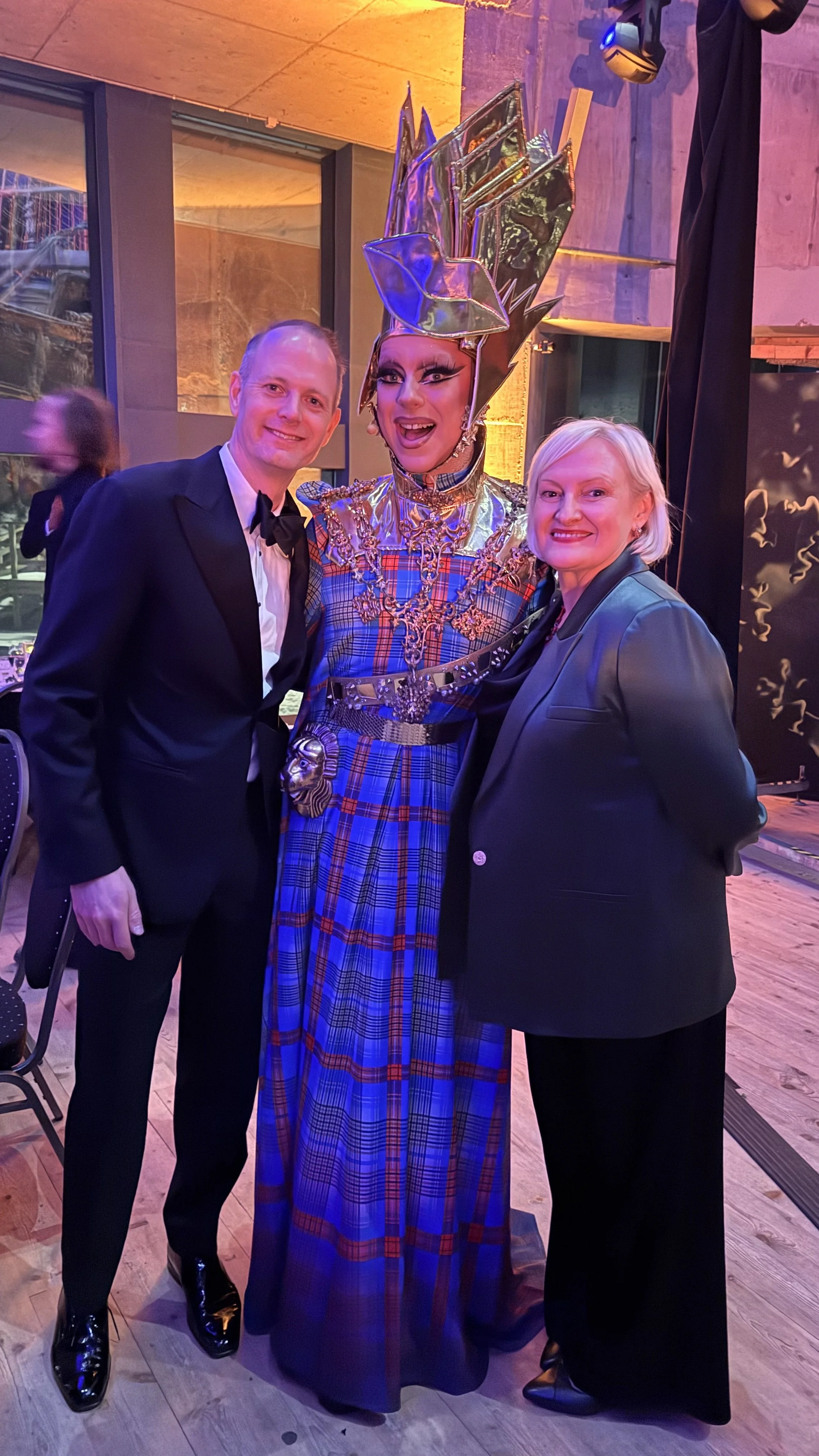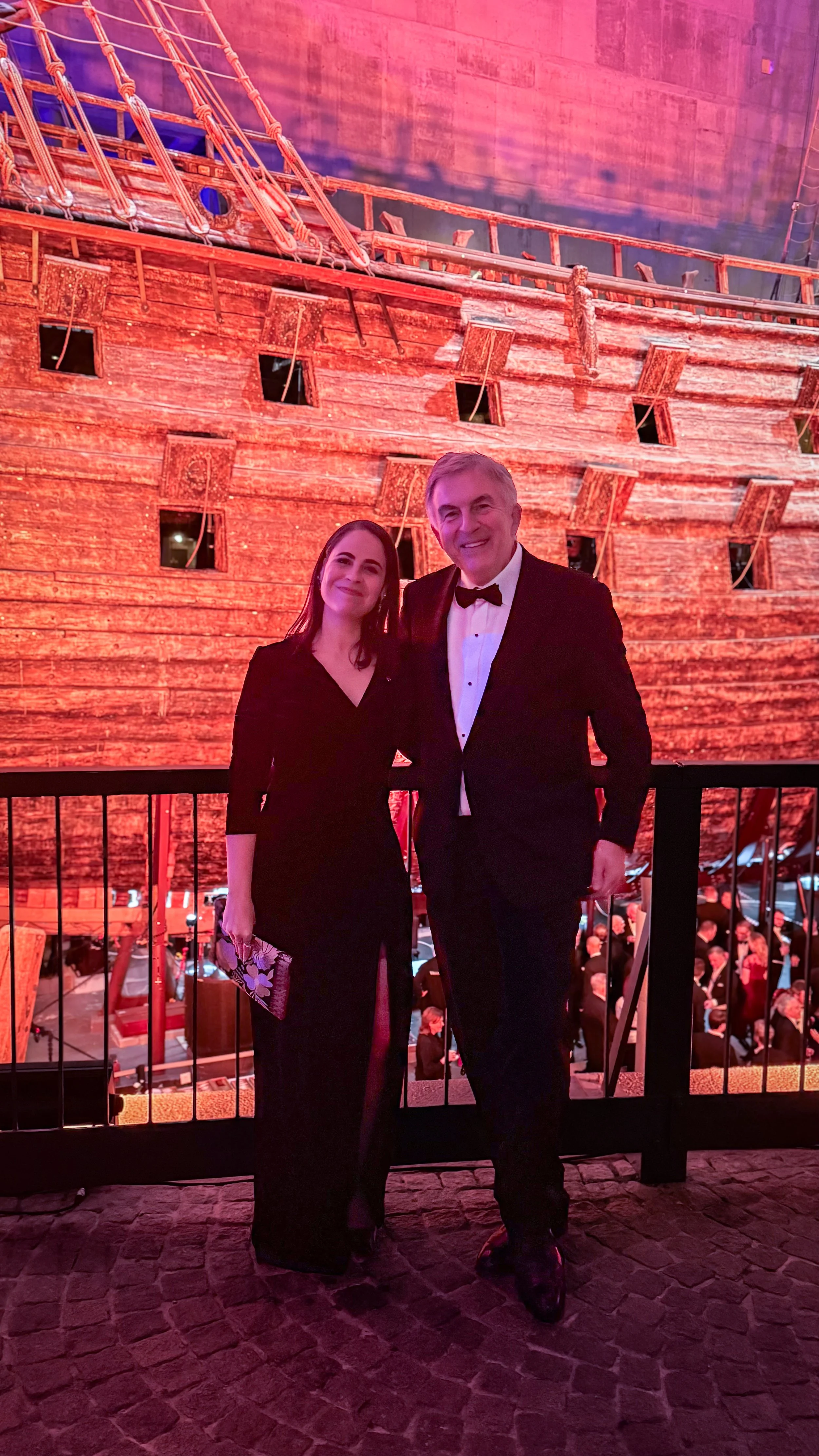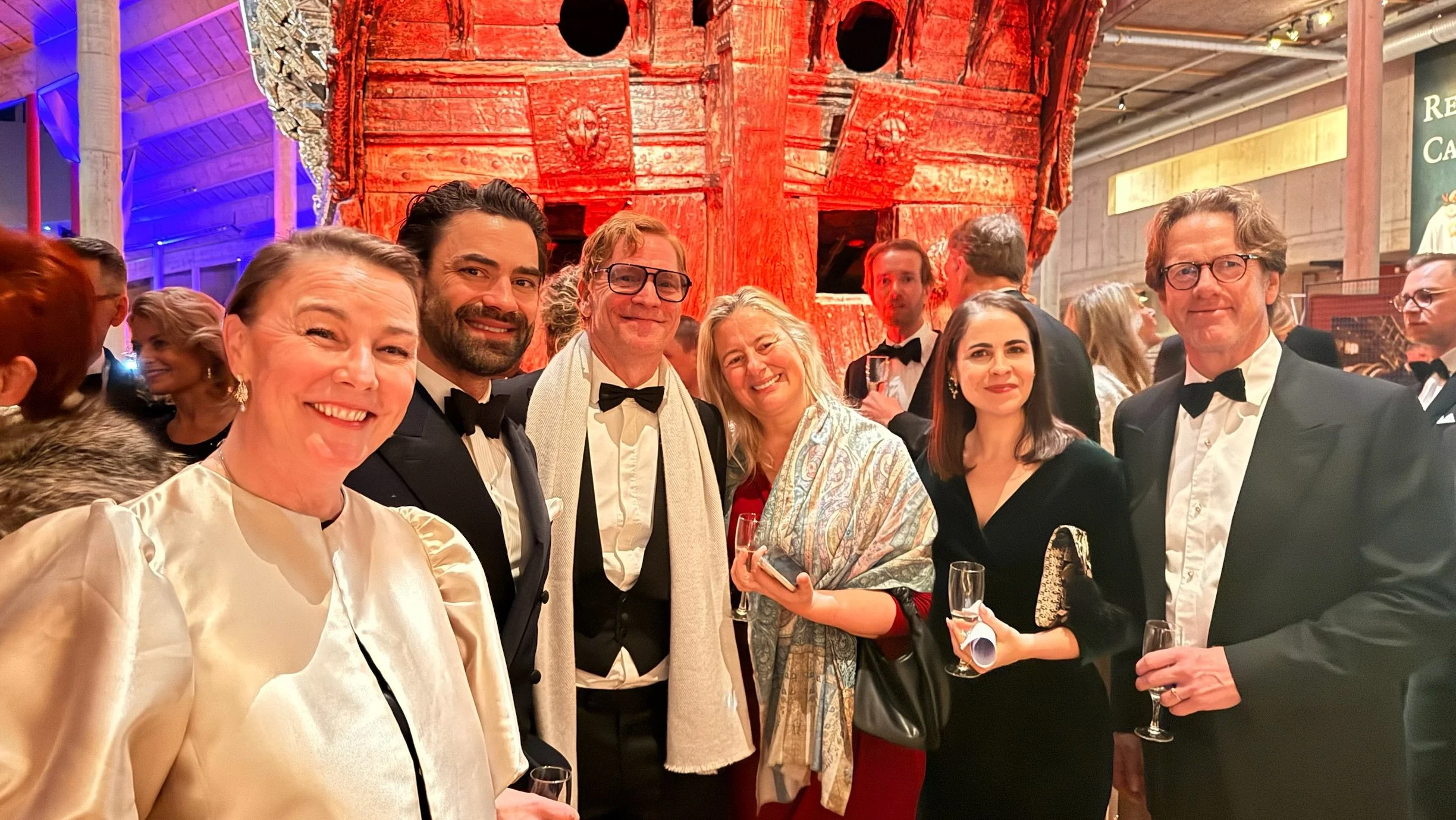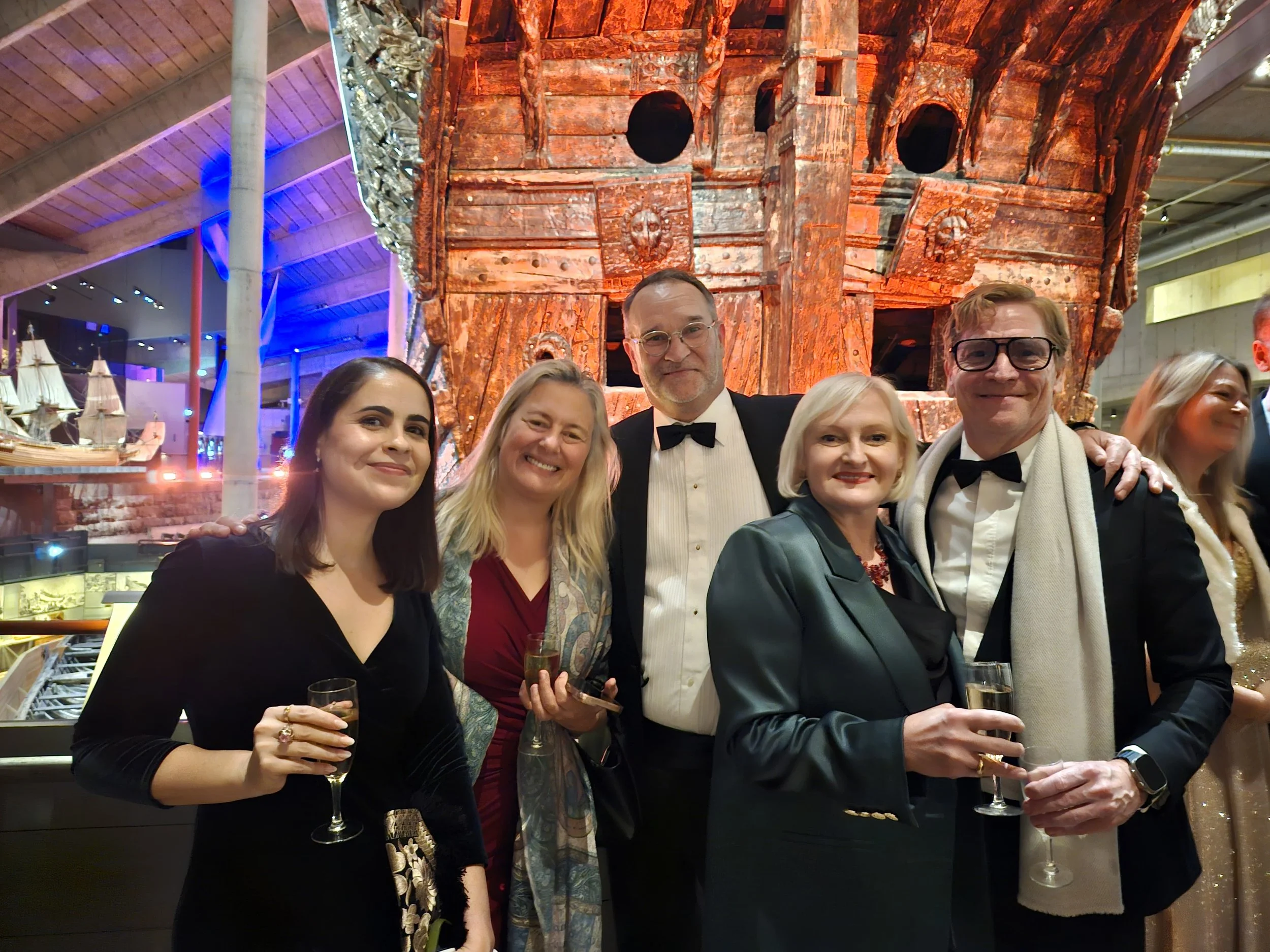
AIAC PAYS TRIBUTE TO KING CARL XVI GUSTAF AND QUEEN SILVIA OF SWEDEN AT ROYAL DINNER IN STOCKHOLM
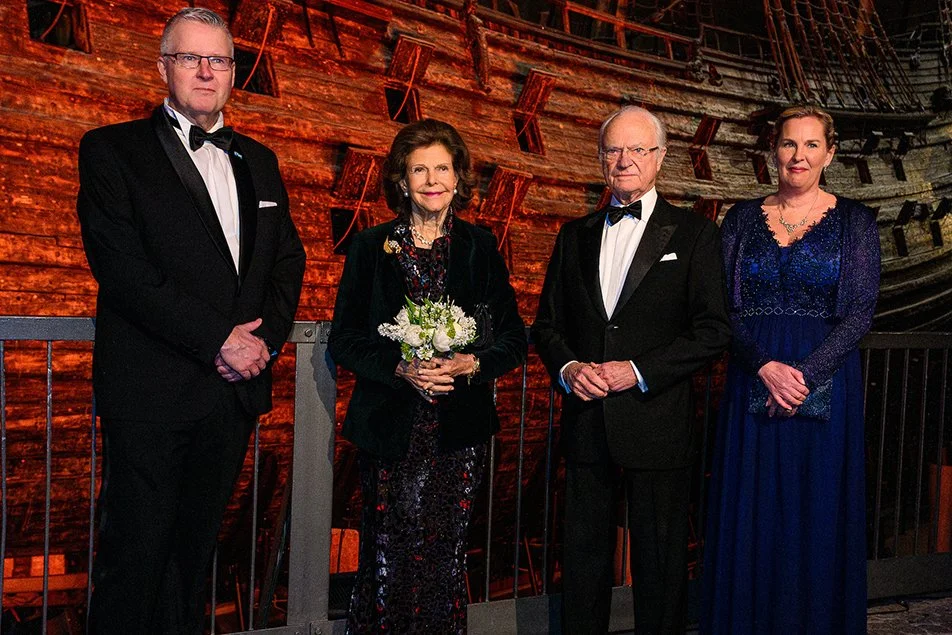
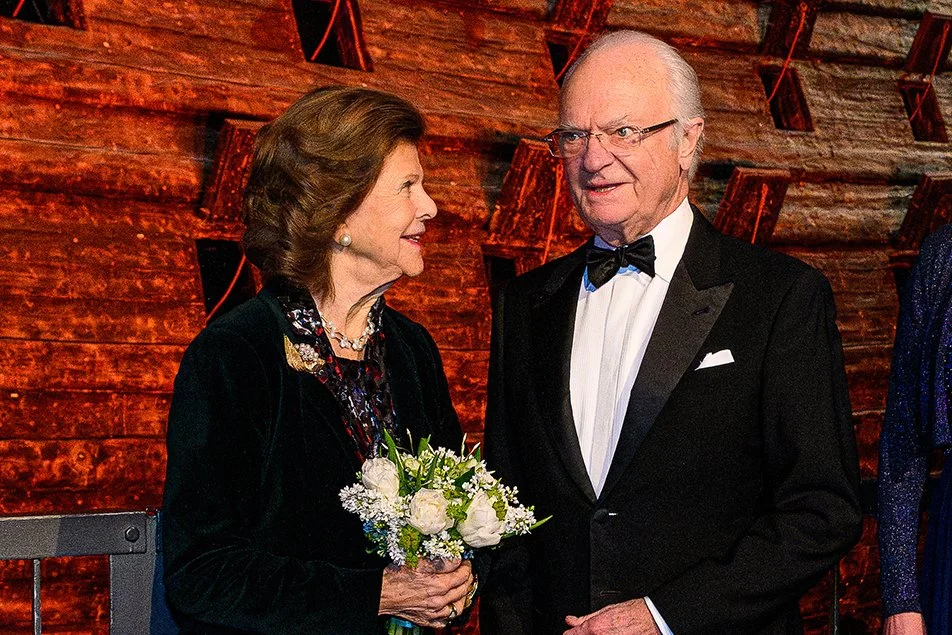
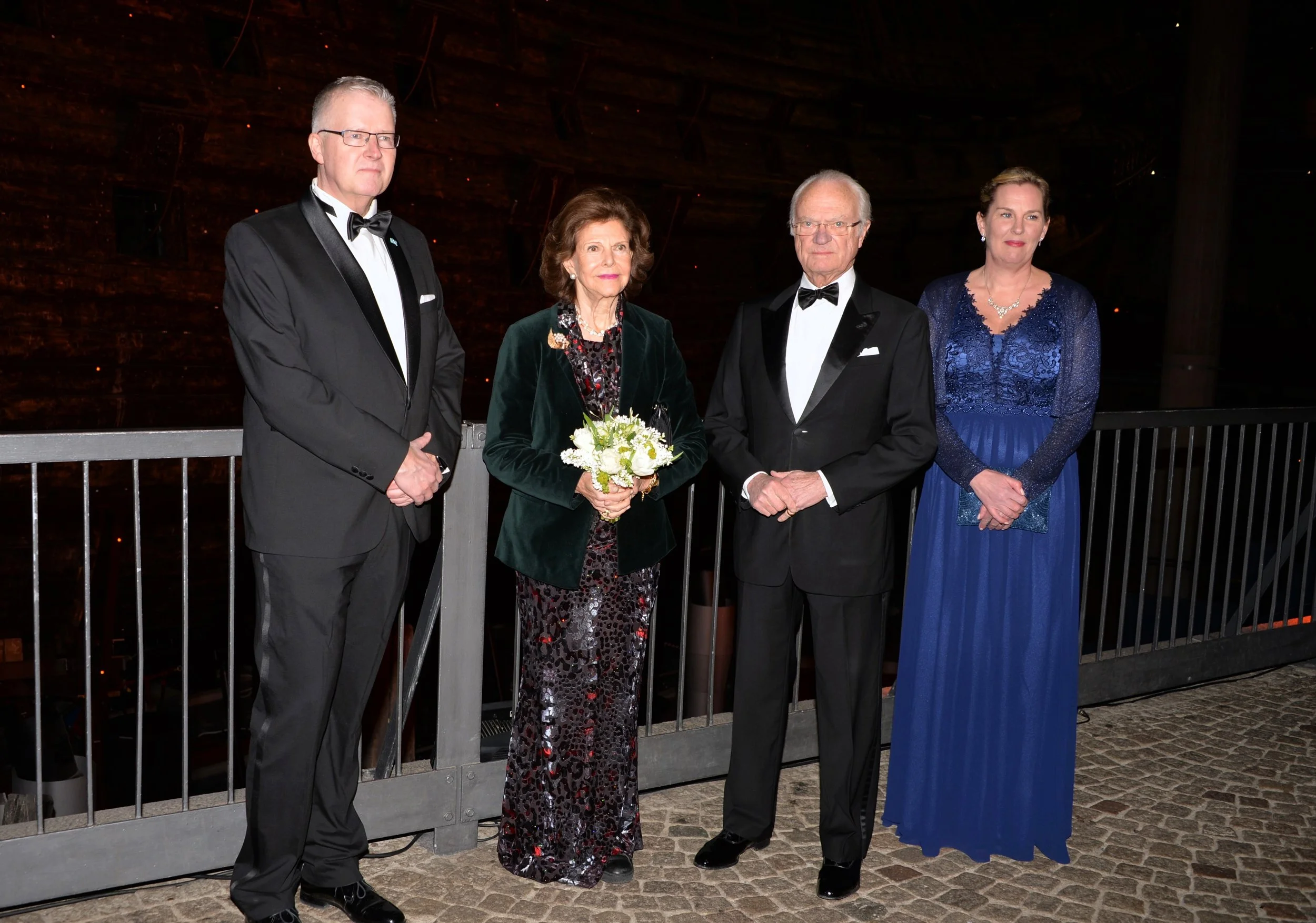
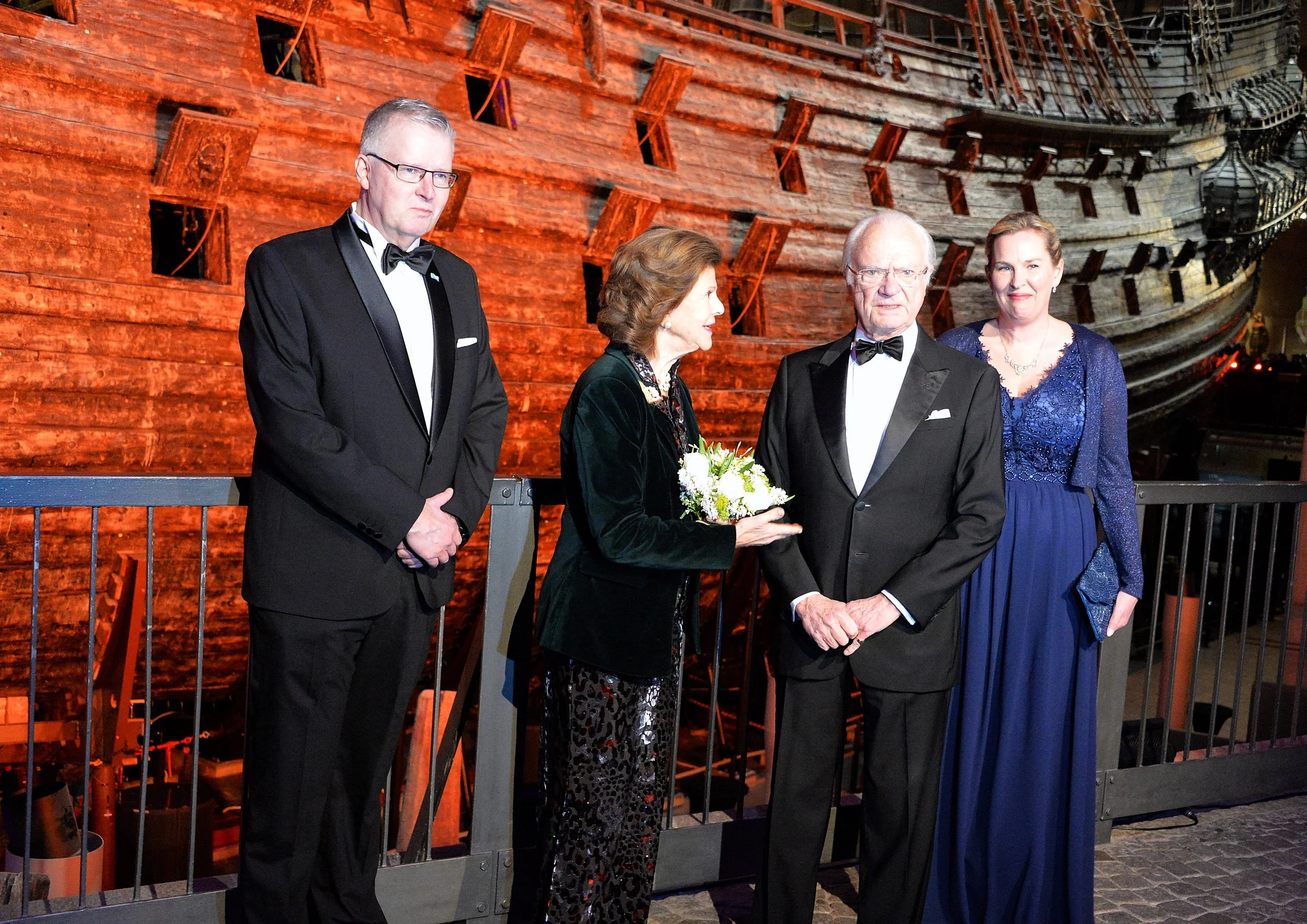
The King and Queen together with Lars Amréus, Director of the State Museums of Maritime, Transport and Defence History and Jenny Lind, Museum Director of the Vasa Museum
FOR IMMEDIATE RELEASE
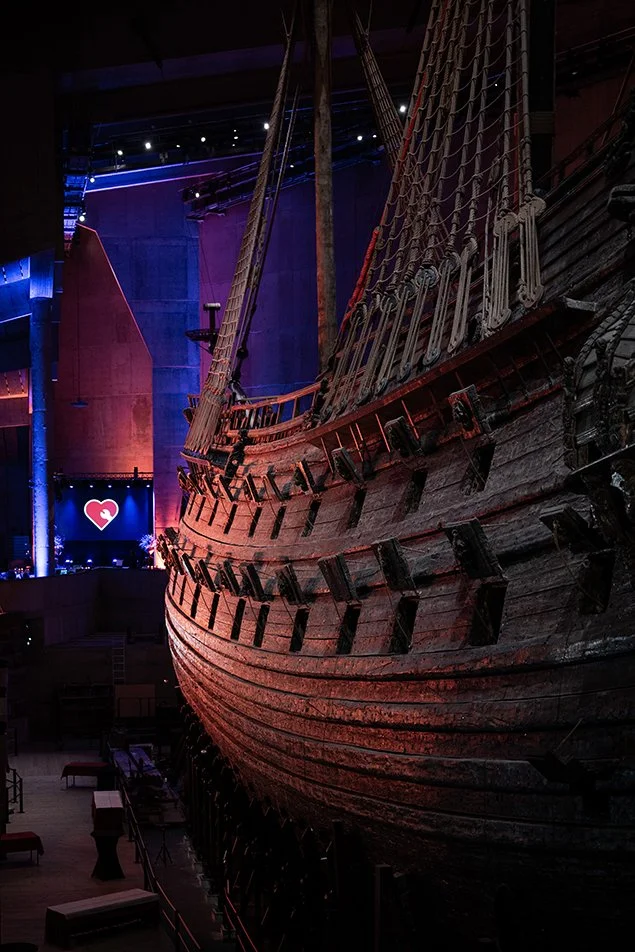
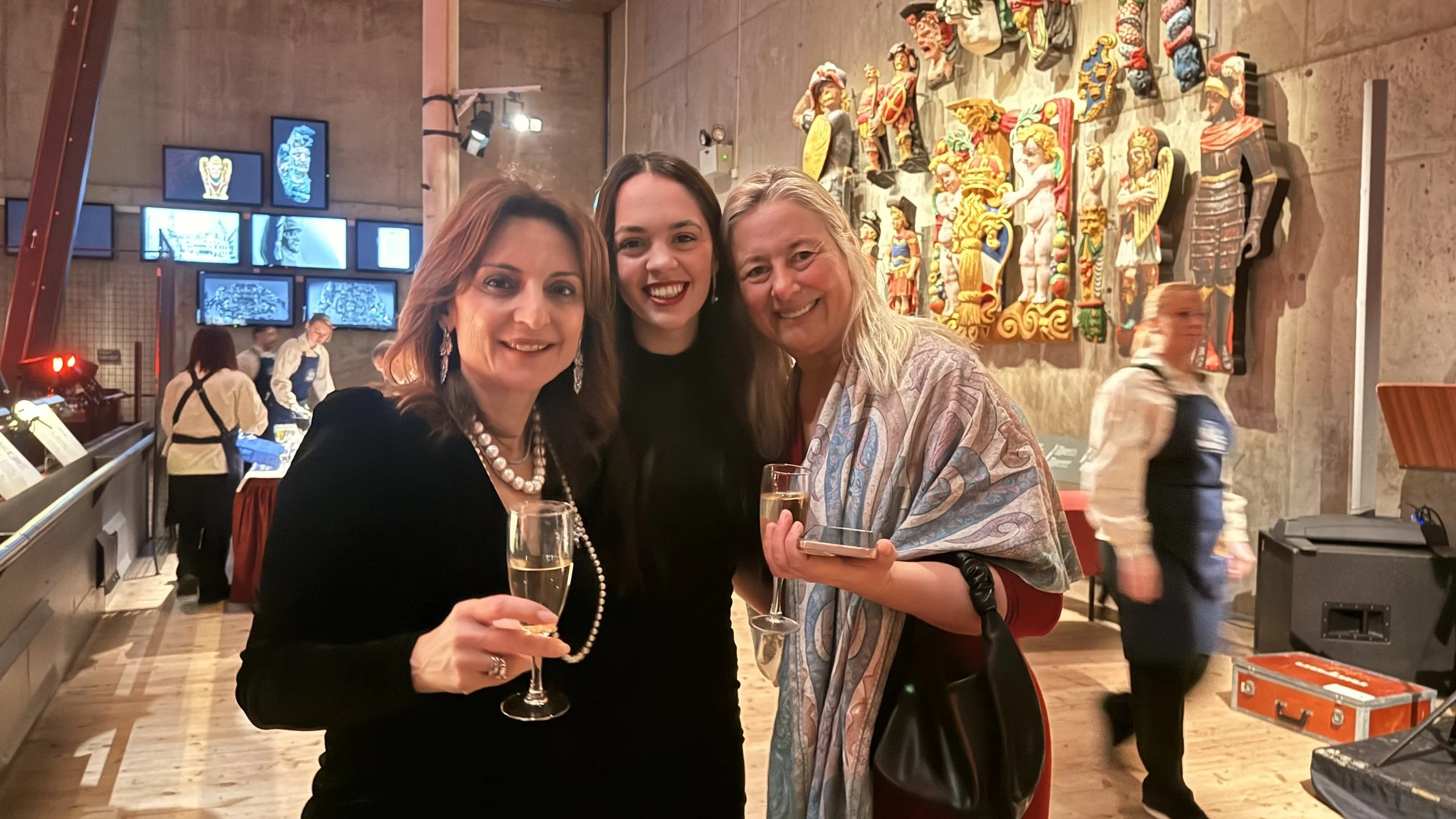
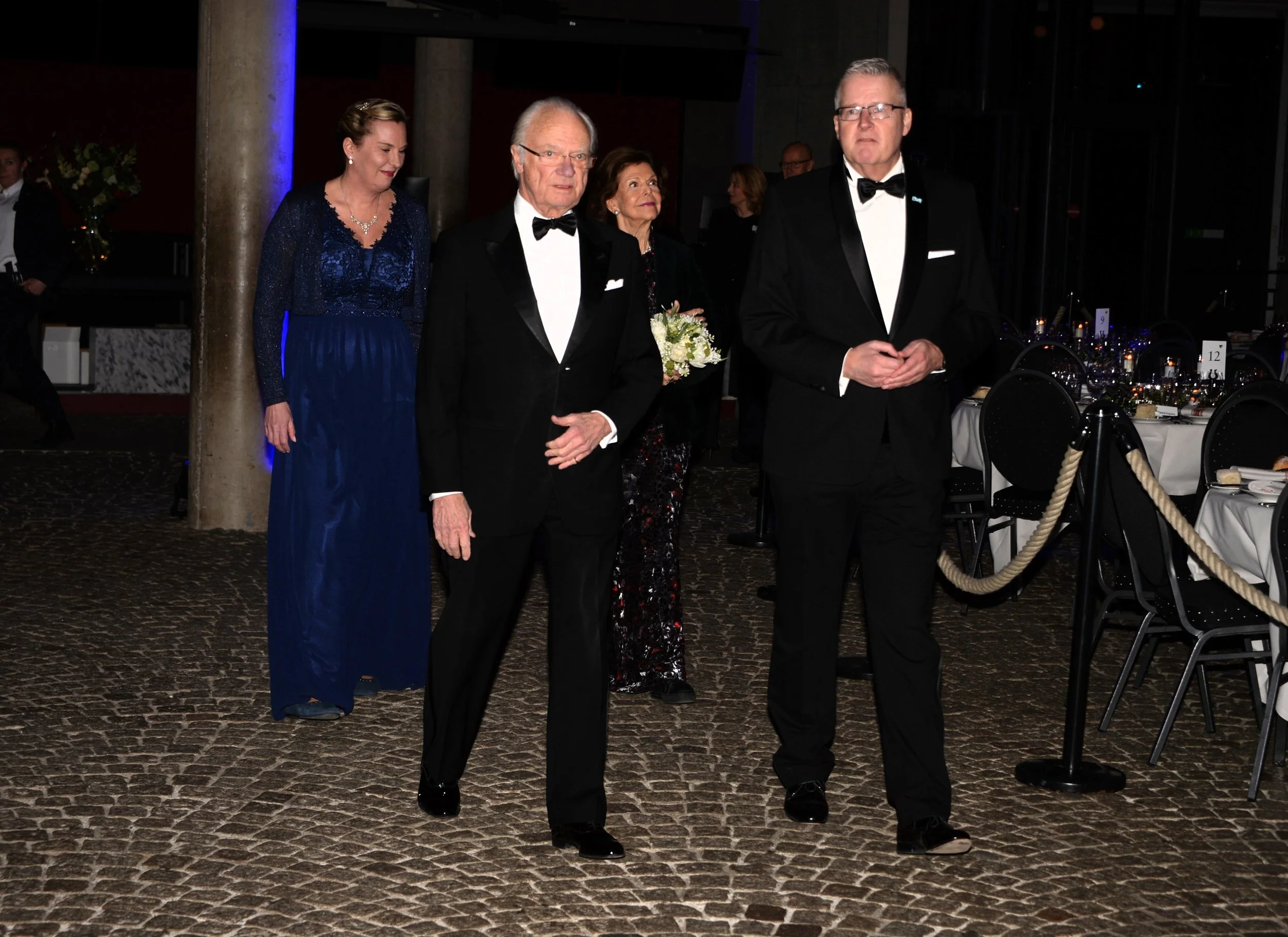
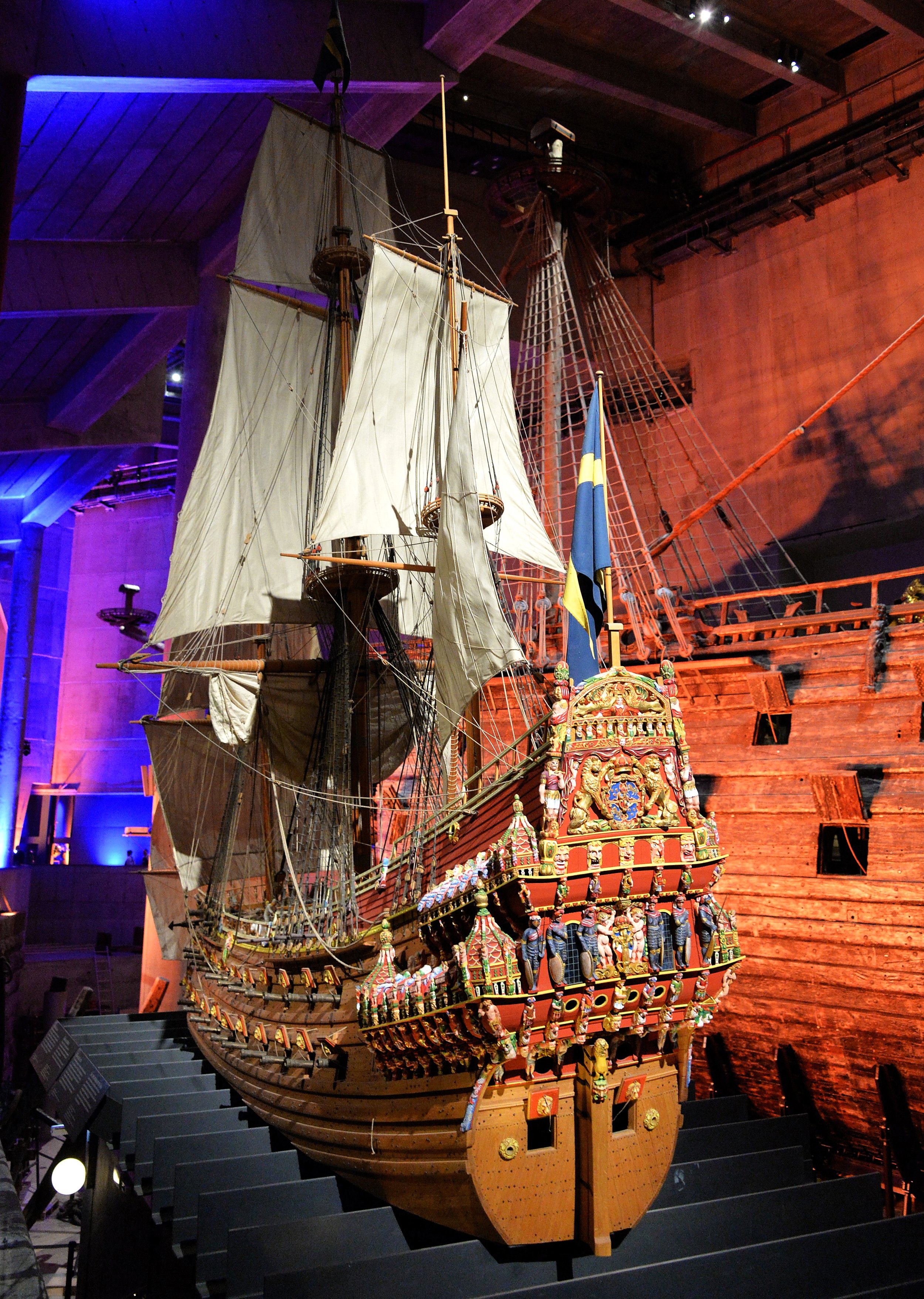
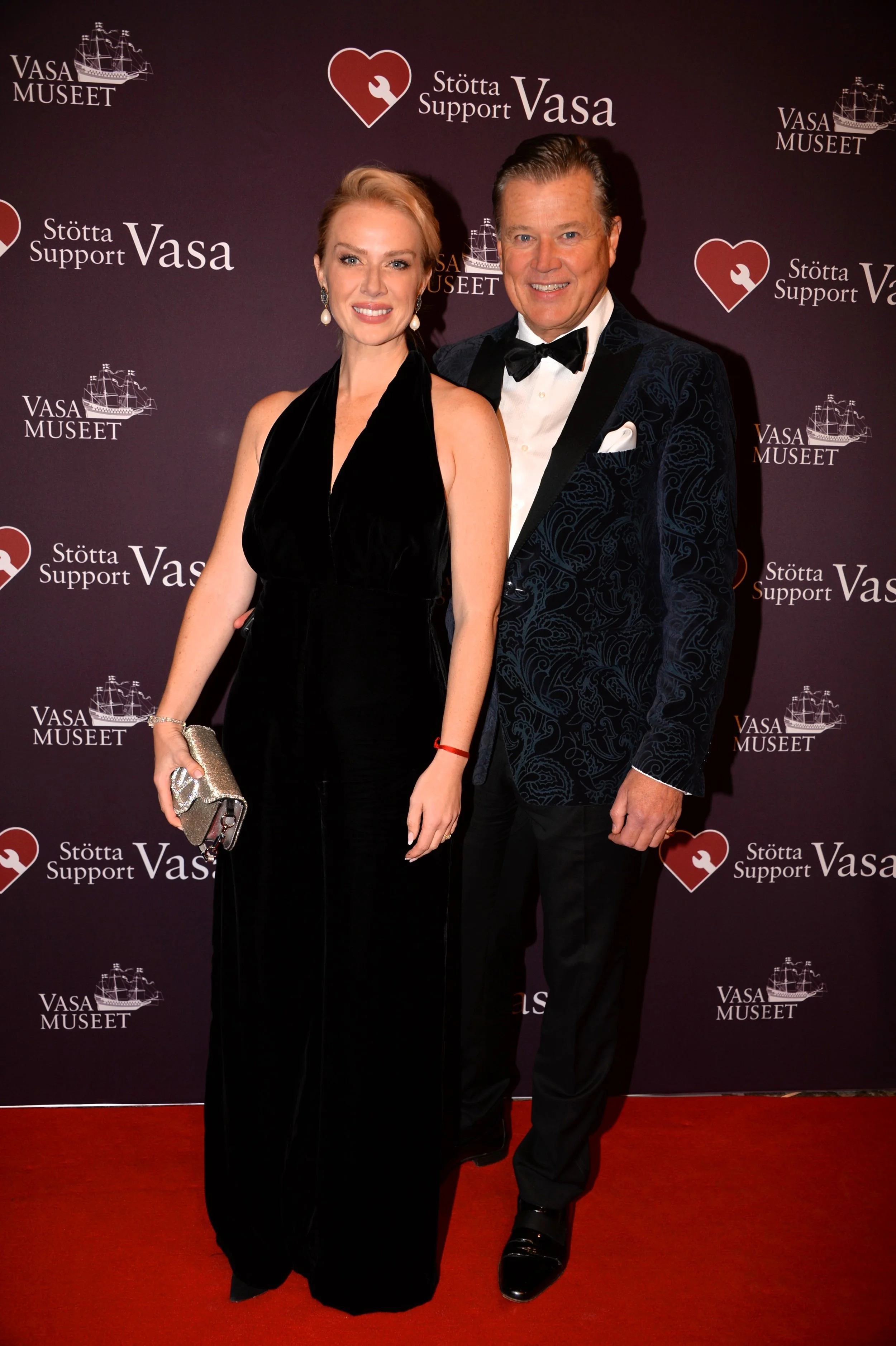
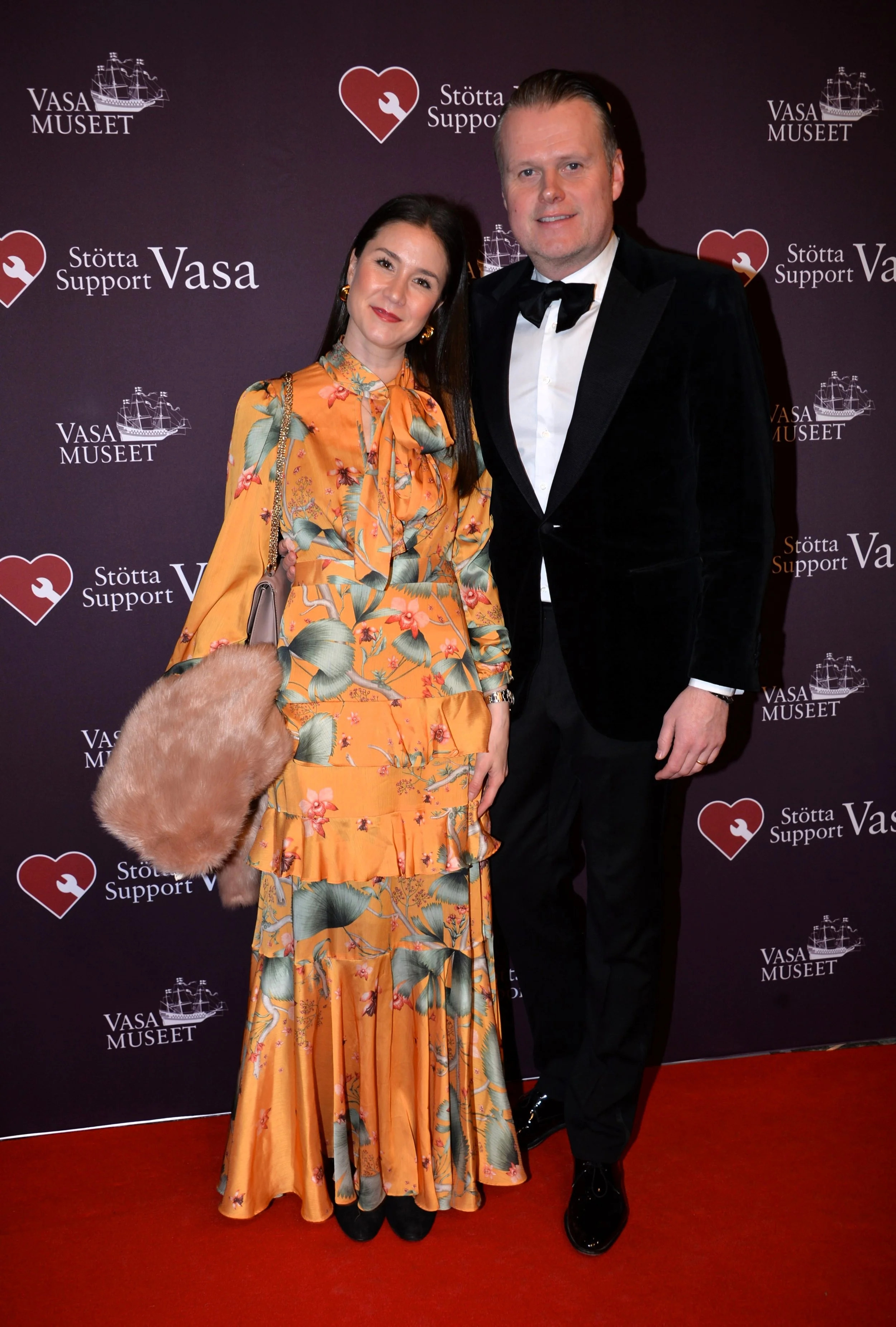
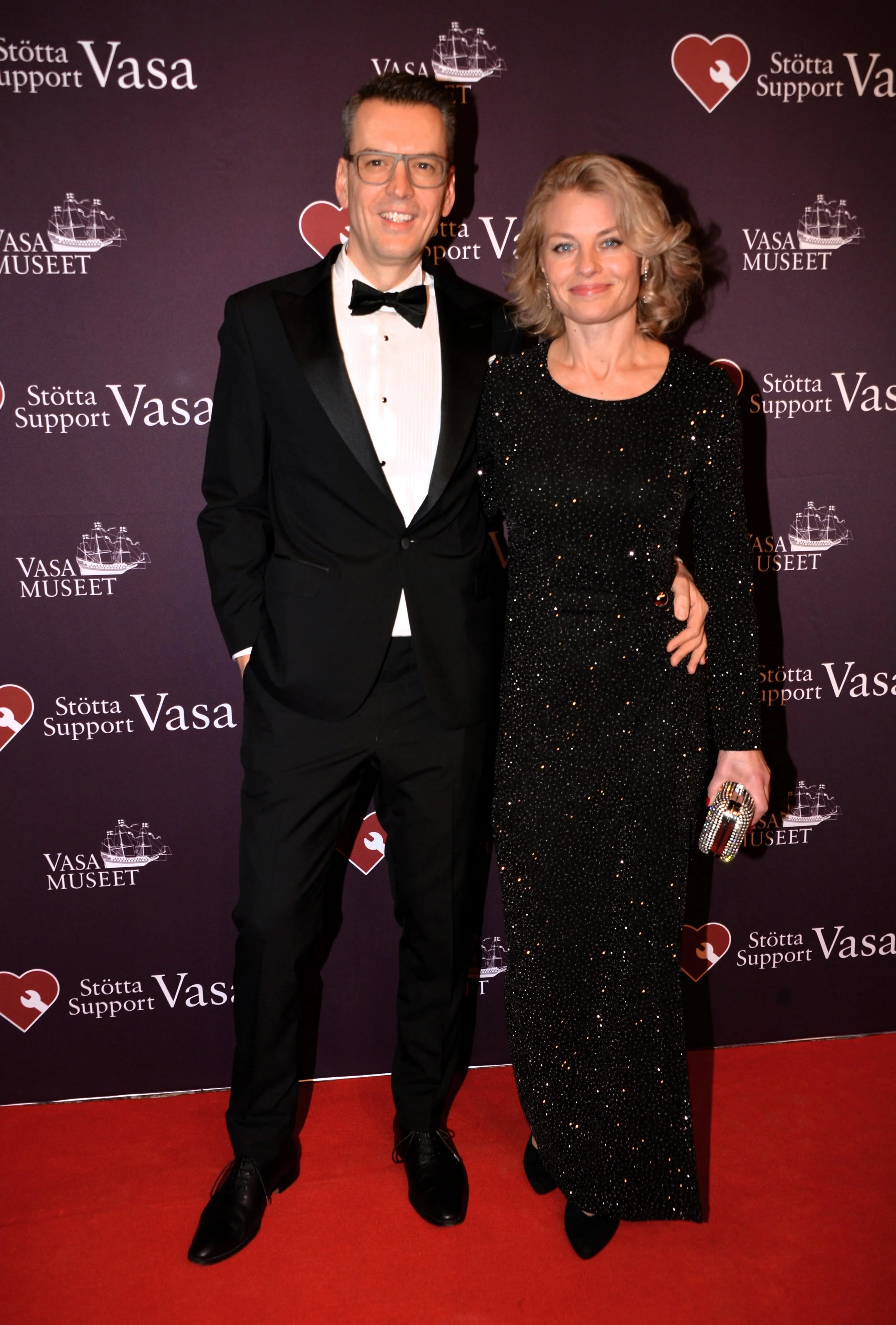
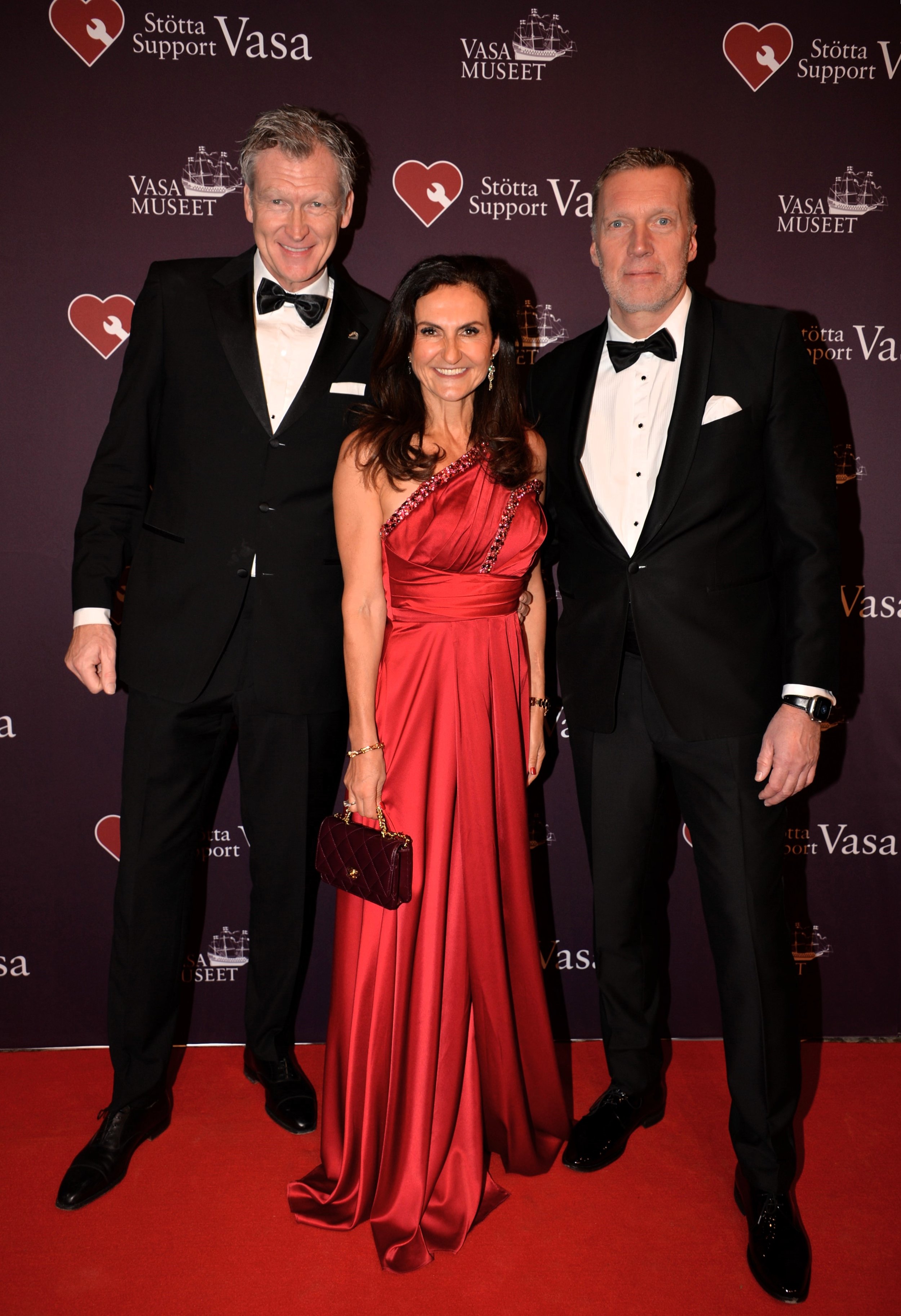
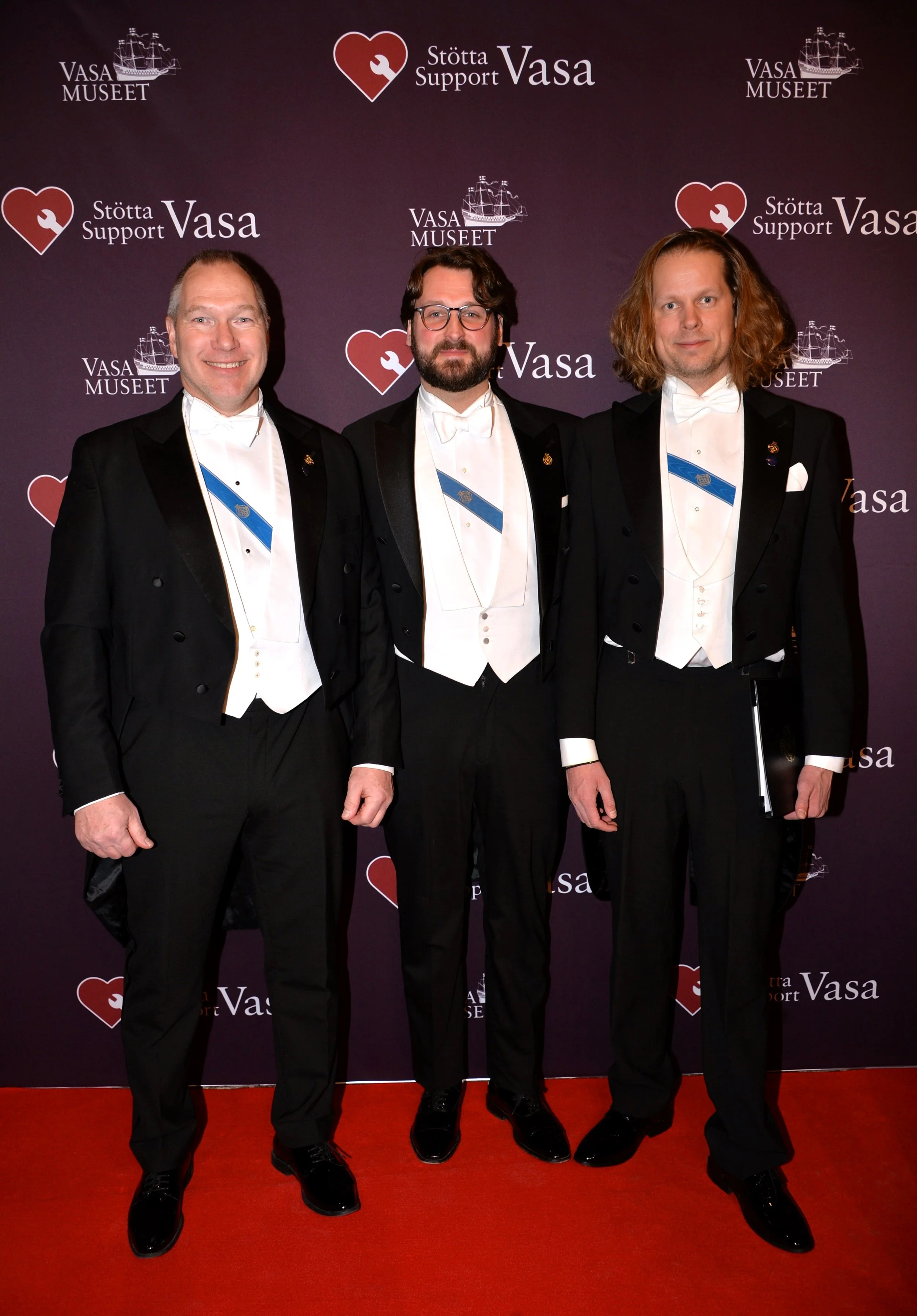
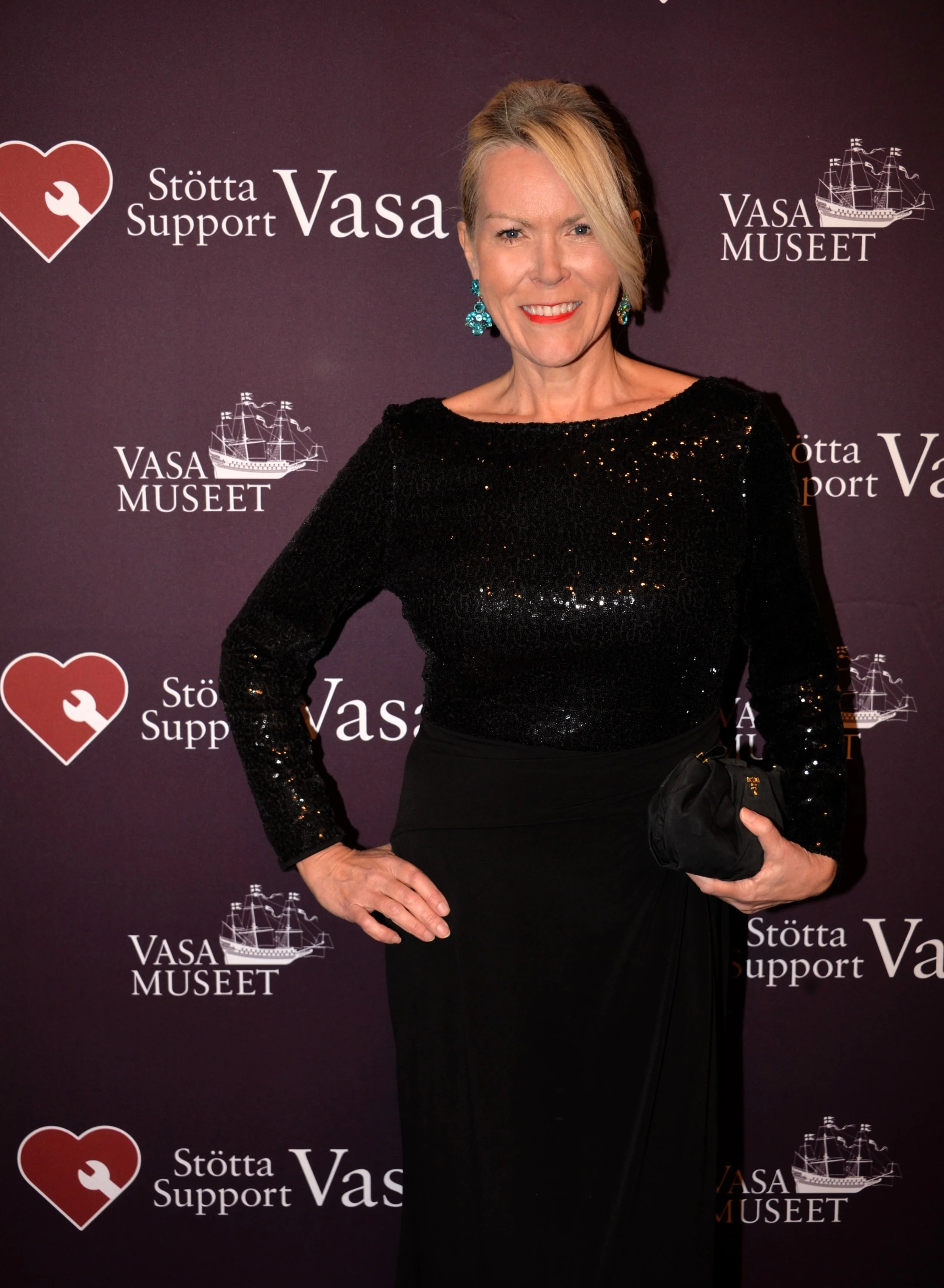
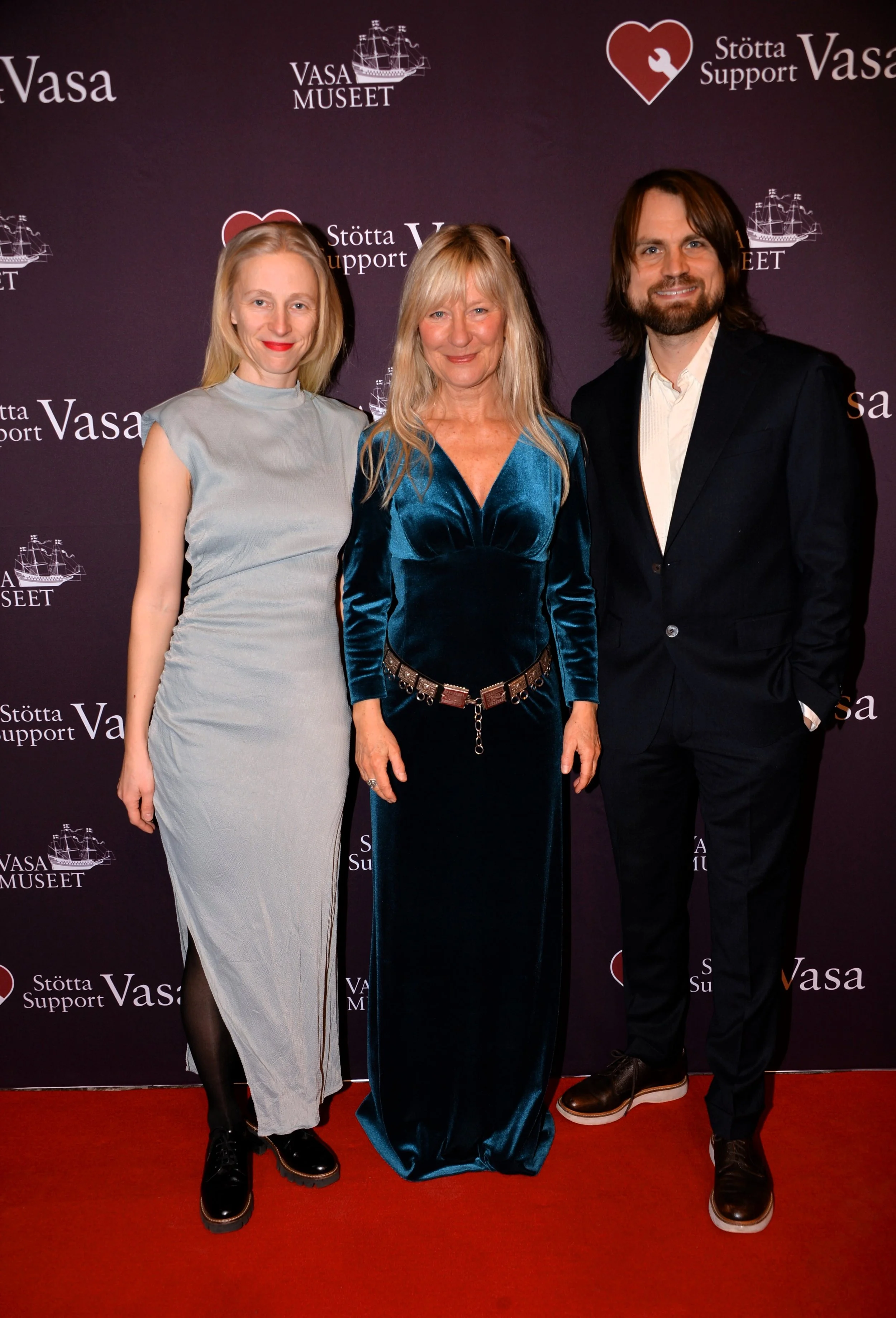
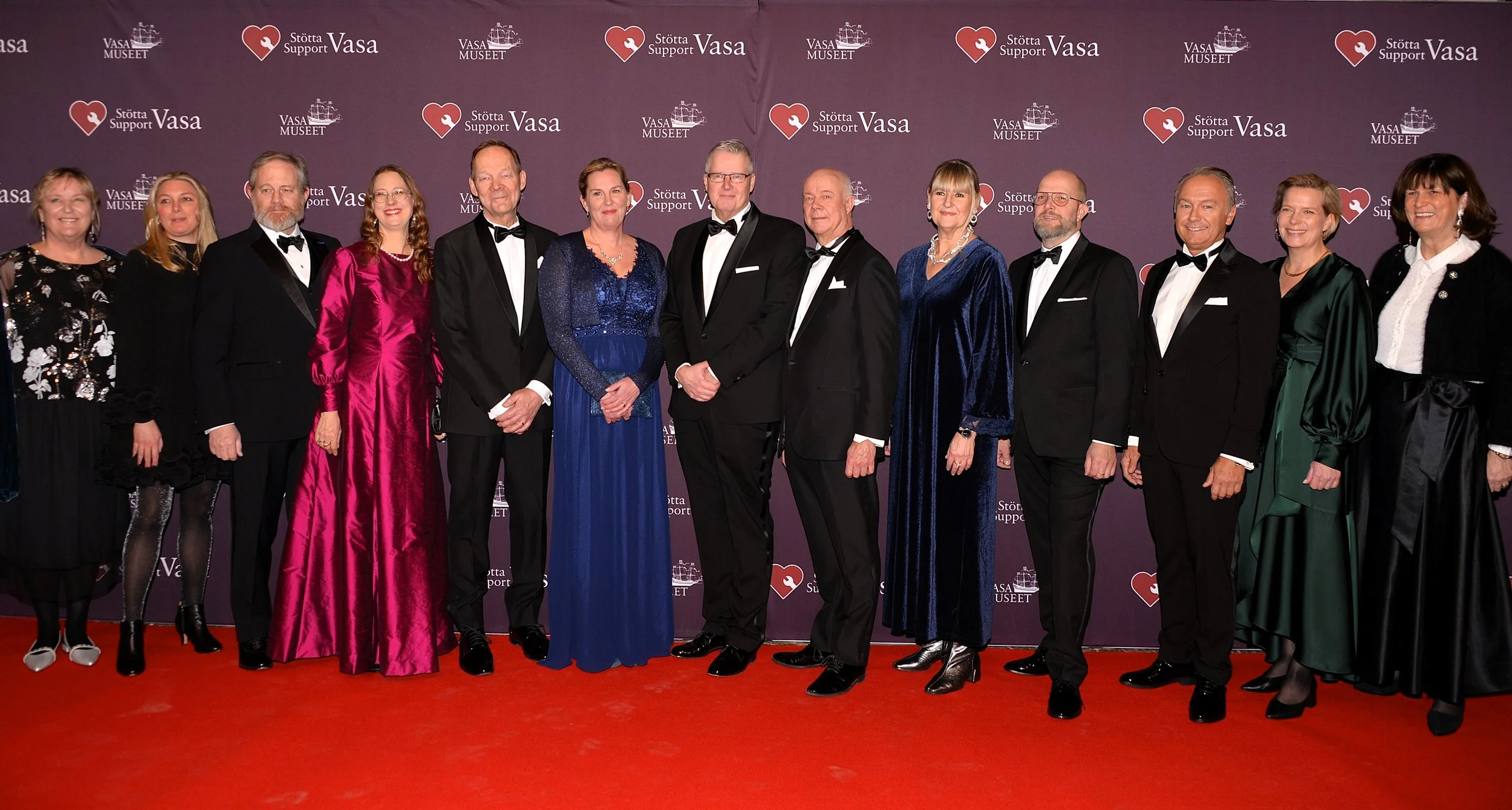
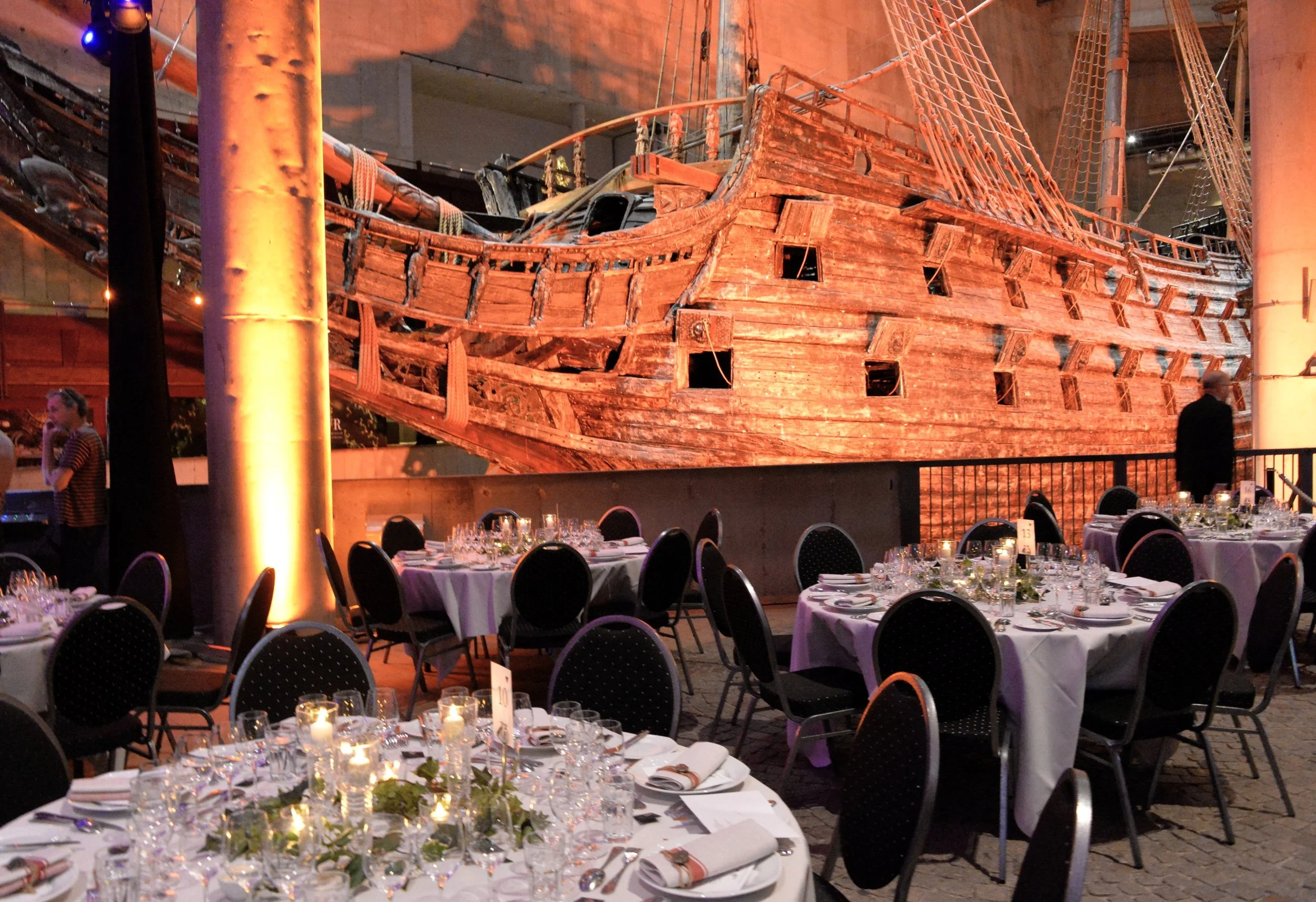
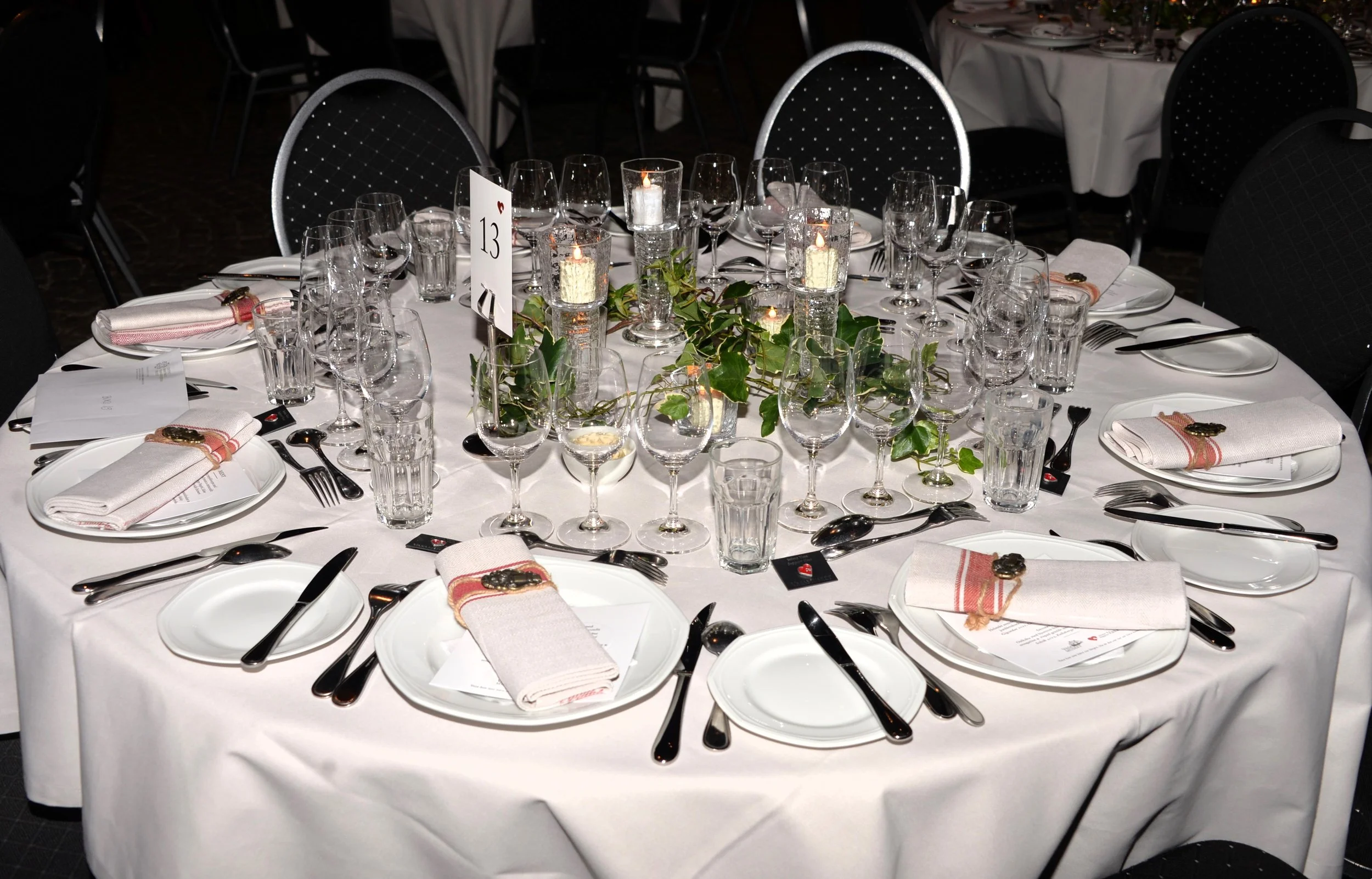
Stockholm, Sweden – January 30, 2026 – American Industrial Acquisition Corporation (AIAC) honored Their Majesties King Carl XVI Gustaf and Queen Silvia of Sweden at the royal dinner held at the historic Vasa Museum on Thursday evening. The gala event, attended by 200 distinguished guests, supported the effort to preserve the Vasa, the iconic warship from 1628 which tragically sank during its maiden voyage.
AIAC Vice President Isabel Carro-Toro personally presented to Their Majesties an original poetic homage, composed by AIAC Chairman L. M. Levie, titled “A Tribute to King Carl XVI Gustaf.” The poem, which celebrates the King’s life journey and dedication to Swedish culture and heritage, was received with warm appreciation by the royal couple.
In recognition of the Vasa Museum’s vital role in preserving Sweden’s maritime legacy, Ms. Carro-Toro also presented Museum Executive Director Jenny Lind with “The Ballad of Vasa,” a poem and orchestrated musical work.
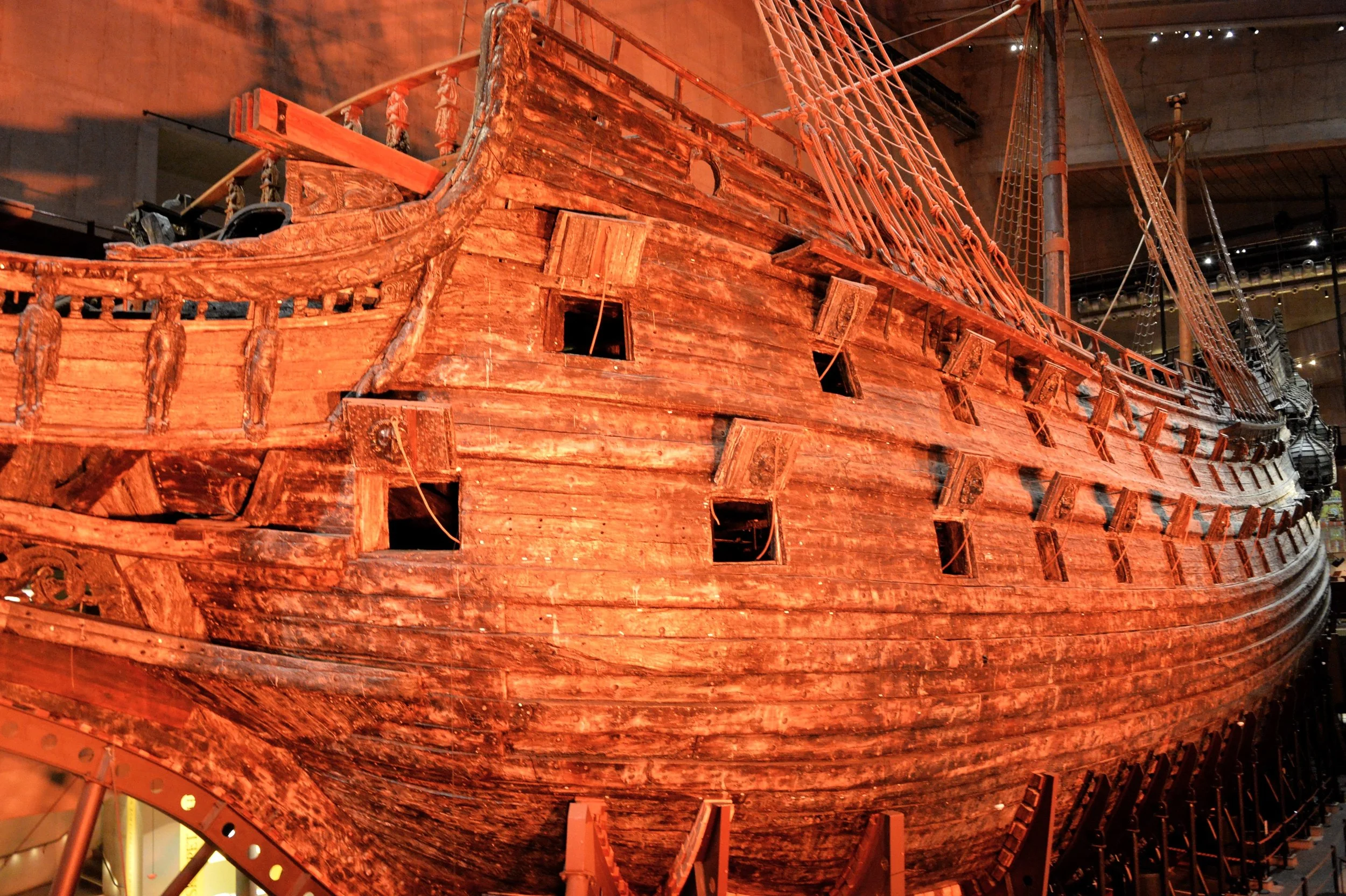
The royal dinner was organized to raise awareness and support for the Vasa Museum’s critical preservation project. The historic warship, which sank on its maiden voyage in 1628 and was salvaged in 1961, is currently undergoing a major structural renovation. Museum Director Jenny Lind emphasized that this effort represents the biggest challenge for the museum since the original salvage of the ship in the 1960s, both technically and financially.
The 200 million kronor preservation project will replace the ship’s current 17 supports with 27 modern cradles by 2028, supplemented by an internal skeleton structure. The work is essential to prevent the historic vessel from being crushed under its own weight as its wood continues to weaken after centuries underwater.
Also in attendance were Swedish Minister of Culture Parisa Liljestrand and numerous dignitaries from the cultural and diplomatic communities. The museum expressed hope that attendees would become ambassadors for the preservation effort, helping to secure the ship for future generations.
AIAC Chairman and Explorers Club Trustee and Poet Laureate L. M. Levie commented:
“King Carl XVI Gustaf exemplifies the finest traditions of leadership through his distinguished service to world Scouting and his unwavering dedication to conservation and environmental protection. His patronage of the Vasa Museum demonstrates his deep understanding that preserving our shared heritage is essential to understanding who we are and where we are going.”
“I was profoundly honored to first greet Queen Silvia on May 10, 2025 on Ellis Island, in New York Harbor, where she formally received the Global Humanitarian Ellis Island Medal of Honor. She was most deserving of that tribute, as a consequence of her extraordinary work to protect vulnerable children, advance dementia care, and support disable people worldwide.”
“The Vasa Museum stands as a great monument to the triumphs and frailties of humanity. It tells the story of grand ambition, art, engineering, loss, and redemption. Its historical and moral lessons convey the primacy of truth and duty and that even our greatest failures can be salvaged and transformed into sources of wisdom for future generations. Indeed, the engineering efforts to design, manufacture, and install the large metal support structures for the Vasa are themselves an impressive feat, one that my highly skilled colleagues at AIAC profoundly appreciate.”
“AIAC is therefore proud and privileged to join with King Carl XVI Gustav and Queen Silvia in this noble effort to further preserve the Vasa for all future generations.”
American Industrial Acquisition Corporation has maintained a longstanding presence in Sweden through its manufacturing and distribution business interests, including Combiwear Parts, and through its prior ownership of Habia Technofluor and the Bradford Space subsidiary, ECAPS (Ecological Advanced Propulsion Systems).
These connections reflect our commitment to fostering meaningful cultural and commercial relationships with Sweden.
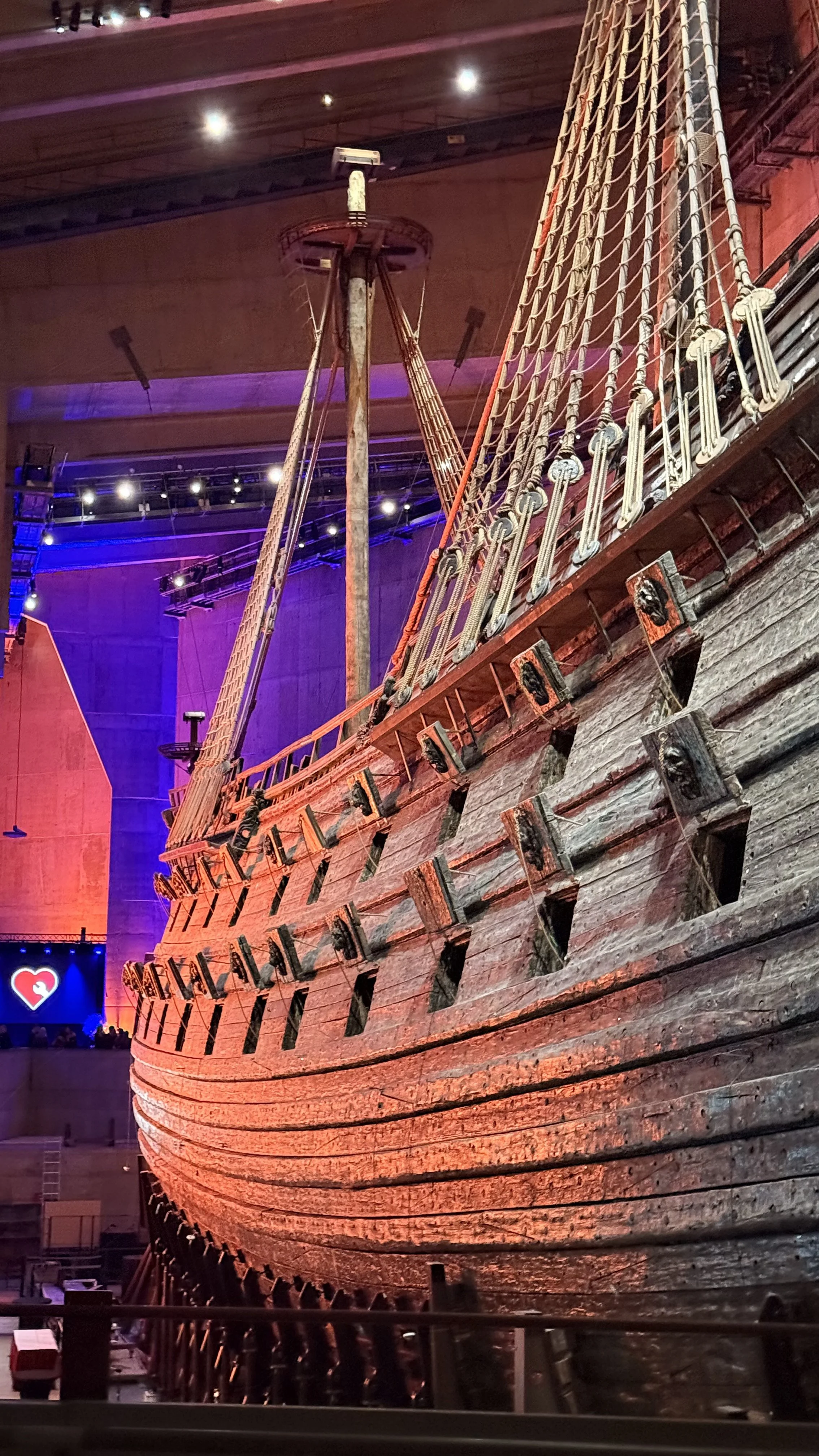
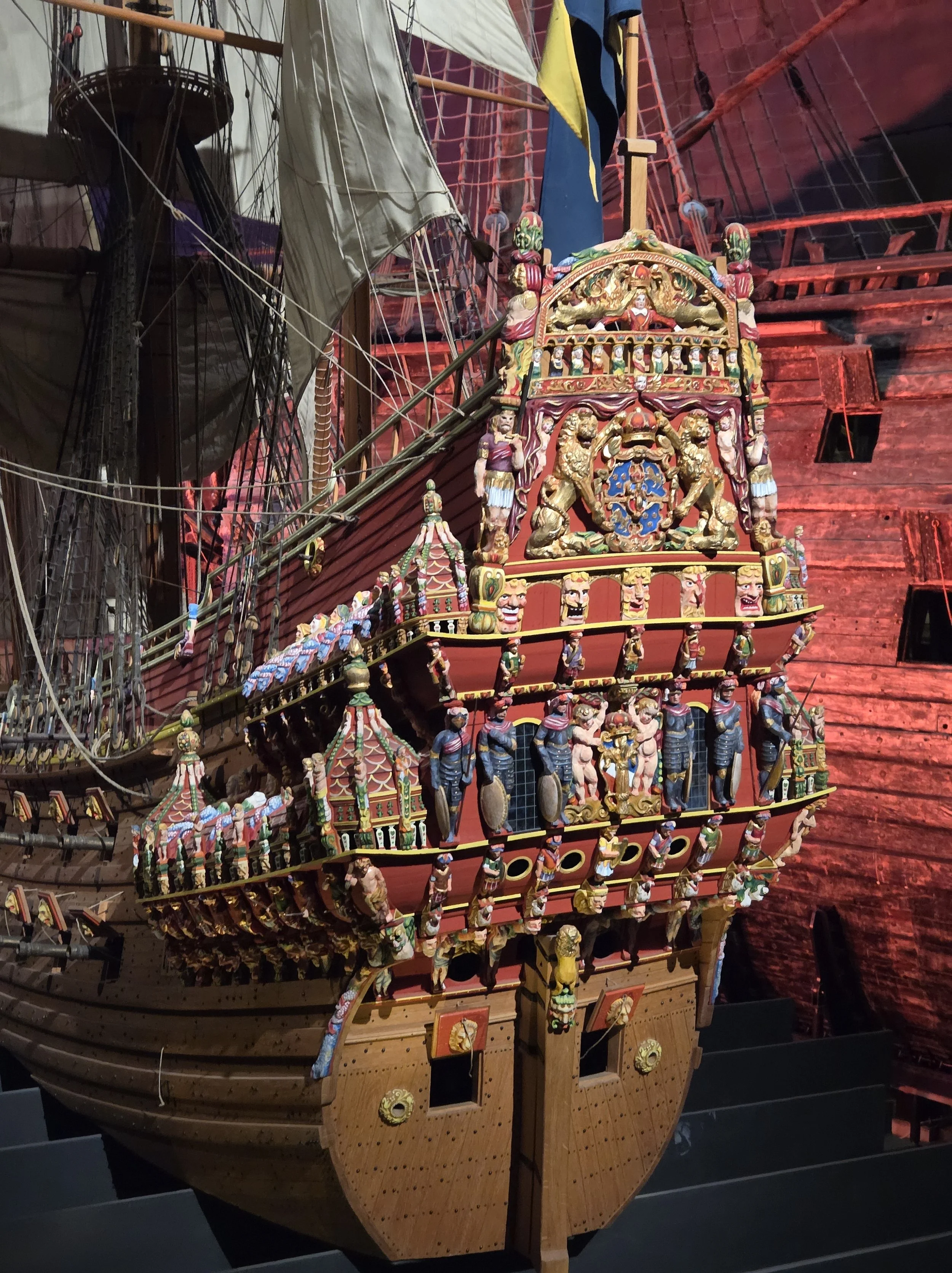
The Vasa Museum, located on the island of Djurgården in Stockholm, houses the world’s only preserved 17th-century ship. The massive, 69-meter warship is adorned with hundreds of wooden sculptures and remains 98% original, making it a unique art treasure and one of Scandinavia’s most visited museums.
American Industrial Acquisition Corporation (AIAC) is dedicated to promoting cultural exchange and celebrating artistic and historical heritage across international boundaries. AIAC supports cultural preservation initiatives worldwide and maintains active business and cultural partnerships in Sweden and throughout Europe, including operations through Combiwear Parts.
AIAC and its affiliates serve as Partners of The Explorers Club and provide vital support for major environmental and scientific initiatives, including Climate Week, Ocean Week, The Explorers Club Annual Dinner, The Explorers Club – Monaco Ocean Week, and The Explorers Club Washington DC Group Annual Dinner. Through these partnerships, AIAC demonstrates its commitment to advancing exploration, conservation, and scientific research that benefits humanity and the planet. AIAC is a corporate benefactor of the Vasa Museum and Mr. Levie is a Gold Member.
About King Carl XVI Gustaf
King Carl XVI Gustaf of Sweden was born on April 30, 1946, at Haga Palace in Stockholm. He ascended to the throne on September 15, 1973, following the death of his grandfather, King Gustaf VI Adolf. At age 78, he is the longest-reigning monarch in Swedish history, having surpassed King Magnus IV’s record in 2018.
The King’s early life was marked by tragedy when his father, Prince Gustaf Adolf, died in an airplane crash in Denmark in January 1947, when Carl Gustaf was only nine months old. This loss left the young prince second in line for the throne. When his great-grandfather, King Gustaf V, died in 1950, four-year-old Carl Gustaf became heir apparent to the Swedish throne.
His Majesty’s motto, “For Sweden – With the Times,” reflects his commitment to meeting the demands of a modern monarchy. Under constitutional reforms enacted in 1973 and effective in 1975, the King’s role was transformed to a primarily ceremonial one. While relieved of executive powers, he continues to perform essential state functions, including opening the annual session of the Riksdag (Swedish Parliament) and representing Sweden at official state visits and ceremonies worldwide.
King Carl XVI Gustaf is internationally recognized for his environmental advocacy and conservation efforts. He serves as Chairman of the Swedish section of the World Wide Fund for Nature (WWF) and has been Honorary Chairman of the World Scout Foundation since 1977, demonstrating his lifelong commitment to Scouting. His dedication to environmental protection has earned him the United States Environmental Protection Agency Award and an honorary doctorate from Stockholm University.
In June 1976, the King married Silvia Sommerlath, who became Queen Silvia of Sweden. Together they have three children: Crown Princess Victoria (heir to the throne following the 1980 constitutional change to absolute primogeniture), Prince Carl Philip, and Princess Madeleine. The King has nine grandchildren and remains actively engaged in royal duties while supporting numerous cultural and scientific initiatives.
About Queen Silvia
Queen Silvia of Sweden was born Silvia Renate Sommerlath on December 23, 1943, in Heidelberg, Germany. The daughter of a German father, Walther Sommerlath, and a Brazilian mother, Alice Soares de Toledo, she spent her childhood in both Germany and Brazil, developing a multicultural perspective that has served her well in her royal role. She is fluent in six languages: Swedish, German, Portuguese, French, Spanish, and English, and has also studied sign language.
After graduating from the Munich School of Interpreting in 1969 with a degree in Spanish, Silvia worked at the Argentine Consulate in Munich and later served as chief hostess and training manager for Olympic hostesses at the 1972 Munich Olympic Games. It was during these Games that she met Crown Prince Carl Gustaf of Sweden, beginning a relationship that would lead to their marriage on June 19, 1976—the first royal wedding in Sweden since 1797.
As Queen, Silvia has dedicated herself to humanitarian causes with particular focus on children’s welfare, elder care, and disability advocacy. In 1994, she founded Mentor International in cooperation with the World Health Organization to prevent drug abuse among young people through mentoring programs. Her most significant achievement came in 1999 with the founding of the World Childhood Foundation, an organization dedicated to protecting children from abuse, exploitation, and trafficking. The foundation has invested in over 1,300 initiatives in numerous countries, helping establish child advocacy centers and support programs worldwide.
Queen Silvia has been a pioneer in addressing dementia care through the Silviahemmet Foundation, established in 1996. The foundation trains healthcare professionals in dementia care and certifies entire care units, significantly improving the quality of life for elderly patients throughout Sweden. She also established Queen Silvia’s Foundation – Care About the Children in 2013 to support vulnerable children globally.
Her decades of humanitarian work have earned her numerous international honors, multiple honorary doctorates, and recognition from organizations including UNESCO, the United Nations Office on Drugs and Crime, and the Council of Europe. As the longest-serving queen consort in Swedish history, Queen Silvia has helped modernize the Swedish monarchy while maintaining its dignity and relevance in contemporary society.
About the Vasa Museum
The Vasa Museum in Stockholm houses one of the world’s most remarkable maritime treasures: the 17th-century warship Vasa, the only almost fully intact ship of its era ever salvaged. Located on the island of Djurgården, the museum attracts over 1.3 million visitors annually, making it one of Scandinavia’s most visited cultural institutions.
Commissioned by King Gustavus Adolphus of Sweden and built between 1626 and 1628, the Vasa was intended to be one of the most powerfully armed vessels in the world. The 69-meter warship was adorned with hundreds of ornate wooden sculptures and carried 64 bronze cannons. However, due to design flaws that left the ship dangerously top-heavy, Vasa sank on her maiden voyage on August 10, 1628, after sailing only 1,300 meters in Stockholm harbor. Despite stability tests that revealed problems, political pressure to launch prevented necessary modifications. The disaster claimed approximately 30 lives.
After 333 years on the seabed, the ship was located in the late 1950s and successfully salvaged in 1961 in one of the most remarkable maritime archaeological achievements in history. Preservation efforts using polyethylene glycol treatment lasted from 1962 to 1979, followed by years of controlled drying. The ship is remarkably well-preserved, remaining 98% original with thousands of artifacts recovered, including sailors’ personal belongings, tools, and even six of the ten original sails.
The current Vasa Museum building, designed by architects Marianne Dahlbäck and Göran Månsson, opened on June 15, 1990. Its distinctive copper roof with stylized masts represents the actual height of Vasa when fully rigged. Inside, visitors can view the ship from six different levels, from keel to sterncastle, surrounded by exhibitions that detail its construction, sinking, recovery, and the broader context of 17th-century Swedish history.
Since 1961, over 45 million people have viewed the Vasa across its various museum locations. The ship stands not only as an extraordinary archaeological artifact but also as an educational example of ambition, engineering, and the importance of learning from failure. Today, the museum faces its greatest challenge since the 1961 salvage: replacing the ship’s deteriorating support structure to ensure its preservation for future generations.
The Support Vasa Project
The support cradle that the Vasa has rested in since its salvage in 1961 needs to be replaced, as it no longer supports the ship optimally. Chemical decomposition of the wood has meant that the hull has lost much of its strength and the ship is unable to support its own weight.
The dinner began with the King and Queen receiving a presentation on the work on the new support structure. During the evening, music was performed by singers Lilla Akademien, Lena Willemark and Lisa Nilsson.
The “Support Vasa” project is the biggest challenge since the salvage in 1961. The goal is for Vasa’s new support to be in place by 2028, when the ship Vasa turns 400. The new support is a complicated, advanced and expensive project, and the Vasa Museum needs help with financing to be able to complete the construction of the new support structure. H.M. The King is the patron of the Vasa Museum’s “Support Vasa” project.
About American Industrial Acquisition Corporation
American Industrial Acquisition Corporation (AIAC) is a diversified industrial group with manufacturing and distribution sites in 24 countries in North America, Europe, Africa, Asia, and Australia-New Zealand. AIAC has acquired and grown non-core subsidiaries and divisions of Boeing, Siemens, Lockheed Martin, Northrop Grumman, Raytheon, Johnson Controls, Merck, Pfizer, Astellas, Visteon, Carlyle, Ahlstrom, Tolko, Groupe Suez, Groupe Rexel, and many other leading multinational corporations.
AIAC companies serve companies and governmental entities worldwide in all major sectors, including aviation, space, defense, automotive, truck, rail, marine, petrochemical, solar, nuclear, food, confectionary, beverage, civil engineering and infrastructure, commercial construction, mining, dredging, disaster relief, education, medical devices, and pharmaceuticals. In addition, AIAC companies are exclusive, authorized distributors of leading branded industrial and consumer products and serve as critical suppliers for the construction of major airports, schools, hospitals, performing arts and sports centers, offices and hotels throughout Southeast Asia, Australia, and New Zealand. AIAC is a leading manufacturer of building, street, and highway signage in Europe, and a distributor of electrical products throughout France.
Of note, AIAC purchased Boeing Canada in 2005 and has produced over 10,000 unique components for every Boeing jet plane ever since, reliably serving Boeing from manufacturing facilities in North America. A leader in ultra-high precision jet engine component manufacturing, AIAC companies produce 2,200 fan blades for each jet engine produced by GE, Pratt & Whitney, Rolls Royce, and Honeywell.
AIAC companies actively support exploration into outer space, manufacturing critical components for launching and propelling spacecraft and satellites. AIAC customers in this sector include NASA, the European Space Agency, SpaceX, Blue Origin, and Boeing. research. AIAC affiliate, Champlain Cable Corporation, supported the Mercury, Gemini, and Apollo space missions with high performance wire and cable. AIAC companies also lead in the design and manufacture of undersea umbilical cables for worldwide oceanographic research.
AIAC companies produce the critical automotive wire and cable for Tesla, GM, Ford, Chrysler-Fiat, Toyota, and Nissan. In connection with its kraft paper manufacturing interests in Canada and the US, AIAC controls and sustainably manages 22 million acres of Manitoba, Canada forestland, an area equivalent in size to the nation of Hungary.
AIAC affiliate, Metallwarenfabrik Gemmingen GmbH, located in Germany, designs, manufactures and distributes high performance, emergency portable power generators utilized in global conflict zones and during natural disasters.
For further information, please see:
About AIAC Philanthropy
AIAC and the AIAC Foundation support a wide range of nonprofit, nonsectarian, bipartisan organizations which promote international conflict resolution, disaster relief, economic development, environmental sustainability, exploration, and the performing arts.
The exploration-focused nonprofit organizations which they actively support include The Explorers Club, the National Geographic Society, the Royal Geographical Society, the American Museum of Natural History and the Hayden Planetarium, the Victoria & Albert Museum, the National Air and Space Museum, the National Space Society, and the United States Space Foundation.
AIAC's other beneficiaries include the Appeal of the Nobel Peace Laureates Foundation Inc., the Asia Society, the Atlantic Council, the Bill and Melinda Gates Foundation - Gates Philanthropy Partners, the Bretton Woods Committee, the Carnegie Endowment for International Peace, the Carter Center, the Council on Foreign Relations, the Foreign Policy Association, the Institut Française des Relations Internationales, the International Committee of the Red Cross, the International Crisis Group, the International Rescue Committee, the Japan Society, the JFK School of Government of Harvard University, the Peterson Institute for International Economics, the Richardson Center for Global Engagement, the Royal Institute of International Affairs (Chatham House), the Sierra Club, the Trilateral Commission, and the Yale Chief Executive Leadership Institute.
For further information, please see:
https://www.aiac.com/our-values
About The Explorers Club
Founded in 1904, The Explorers Club is a prestigious international multidisciplinary professional society dedicated to the advancement of field research and the ideal that it is vital to preserve the instinct to explore. Based at its historic headquarters in New York City, the Club has served as a meeting point and unifying force for explorers and scientists worldwide for over a century.
The Club's membership includes many of history's most renowned explorers and scientists, from polar explorers Robert Peary and Roald Amundsen to oceanic pioneers Jacques Cousteau and Robert Ballard, from aviation legends Charles Lindbergh and Amelia Earhart to space pioneers like Neil Armstrong, Buzz Aldrin, and Jim Lovell. The Club continues to support cutting-edge exploration in every realm—from the deepest ocean trenches to the highest peaks, from archaeological discoveries to space missions.
The Explorers Club is renowned for its rigorous standards of membership, requiring nominees to have made significant contributions to exploration or the sciences that advance our understanding of the world. The Club's Board of Trustees, Legacy Society, and various committees work to preserve the Club's mission while fostering new generations of explorers through grants, expeditions, and educational programs.
The Club's famous annual dinner, featuring exotic cuisine and presentations by leading explorers, has become legendary in New York society. More importantly, The Explorers Club continues to fund and support expeditions that push the boundaries of human knowledge, from climate research in Antarctica to biodiversity studies in remote rainforests to preparations for future Mars missions.
AIAC Chairman L. M. Levie serves as Member of its Board of Trustees and as Poet Laureate and Member of its Legacy Society. As Poet Laureate, Mr. Levie contributes to the Club's cultural mission by capturing the spirit of exploration through verse, honoring both historical achievements and contemporary discoveries that continue to expand the frontiers of human knowledge and experience.
For further information, please see:
Media Contact:
Isabel Carro-Toro, Vice President
American Industrial Acquisition Corporation
+34 689 295 827 (Spain)
+1 787 244 3175 (USA)
icarro-toro@aiac.com